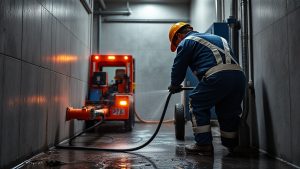
Budgeting for Drain Emergencies: A Landlord's Framework for República Rentals
 shayan
Budgeting for Drain Emergencies: A Landlord's Framework for República Rentals
Drain emergencies never arrive on schedule. A tenant calls at 11 p.m. on a holiday weekend, the kitchen sink backs up, and suddenly you are facing an after-hours call-out fee plus a repair you did not plan for. For landlords with one to five units in República, the smart move is to stop treating these events as surprises and start treating them as a budget line. That means estimating how often they happen, sizing a reserve, tracking every cost, and knowing when a repeat blockage should become planned work rather than another emergency patch. This framework shows you how to do exactly that.
If you need a reliable local partner for the actual work, a desentupidora Santa Cecília can handle emergency calls and scheduled maintenance, but the financial planning is on you. The goal is to make each drain event a known, funded expense rather than a cash-flow shock.
1. Estimate How Often Drain Emergencies Actually Happen
Start with frequency, because it drives every other number. In a small República portfolio, you are not guessing from national averages alone; you are building a baseline from your own buildings and then adjusting for known risk factors. Most landlords find that frequency varies sharply by property age, pipe material, tenant behavior, and whether the unit has a history of root intrusion or grease buildup.
Build a Simple Frequency Baseline
Pull your last 24 months of maintenance records and count every drain-related call: slow sinks, backed-up floor drains, sewage odors, and full blockages. Divide the total by the number of units and by 24 to get a monthly rate per unit. If you have no records, start with a conservative assumption of one event per unit per year and revise after six months of tracking. For older buildings with cast-iron or clay pipes, assume more.
Then separate true emergencies from routine clogs. An emergency is anything that happens outside business hours, threatens flooding, or affects multiple units. Routine clogs can be handled on a scheduled visit, which is far cheaper. This distinction matters because emergency call-out rates are typically the largest single driver of your reserve.
Adjust for Building-Specific Risk
Not every unit carries the same risk. Ground-floor units with floor drains, buildings with mature trees near the lateral line, and properties with a history of desentupidora Santa Cecília São Paulo SP service calls should carry a higher frequency estimate. Conversely, a recently renovated unit with new PVC piping and a grease trap may need very little. Weight your estimate by unit rather than applying a single portfolio-wide number.
Keep in mind that frequency is not the same as severity. A single sewage backup in a ground-floor unit can cost more than five slow-drain visits combined. Your reserve must cover the tail risk, not just the average.
2. Size a Reserve Fund That Matches Your Exposure
Once you know roughly how often events occur, you can size a reserve. The reserve is not the same as your general maintenance budget; it is a dedicated cash buffer for drain and sewer emergencies, kept liquid and separate so you are not tempted to spend it on cosmetic upgrades.
Use a Two-Layer Reserve
A practical approach is to hold two layers. The first layer covers routine, predictable clogs: roughly the cost of two to three standard drain-cleaning visits per unit per year. The second layer covers catastrophic events: a main-line collapse, a sewage backup that requires cleanup, or a hydrojetting job that reveals a broken pipe. The second layer should be sized to your deductible and your worst realistic single event, not the average.
For a small portfolio, a common rule of thumb is to hold 1.5 to 2 times your expected annual drain spend in cash, with a hard floor equal to your insurance deductible. If you self-insure, raise that floor. The exact number matters less than having a defined number you can defend to yourself and your lender.
Decide Where the Money Sits
Keep the reserve in a separate savings account or money market fund, not in your operating account. The point is friction: you want a small step between a tenant's emergency and your spending decision, so you actually use the fund for its intended purpose. Review the balance quarterly and top it up from rent cash flow before you take distributions.
If you use a property manager, confirm in writing that they will draw on the reserve only for drain and sewer events and that they will provide receipts. A manager who commingles the reserve with operating funds defeats the purpose.
3. Track Every Cost So the Budget Stays Honest
A reserve is only as good as the data behind it. Tracking turns anecdotes into a budget you can adjust. The goal is not accounting perfection; it is a consistent record that lets you see trends and spot a unit that is quietly draining your cash.
What to Record for Each Event
- Date and time of the call, and whether it was after hours
- Unit and fixture affected, plus the suspected cause (grease, roots, foreign objects, pipe failure)
- Vendor, invoice amount, and whether the work was emergency or scheduled
- Whether the issue recurred within 90 days
- Any tenant-caused damage or cleanup cost
Log these in a simple spreadsheet or your property management software. The recurrence flag is the most important field, because it tells you when a unit is heading toward planned work rather than another emergency call.
Review Monthly, Adjust Quarterly
Do a quick monthly review of drain spend against your reserve. If you are consistently under budget, you can lower your monthly contribution. If you are over, raise it or investigate why. Quarterly, compare actual frequency to your baseline and update the estimate. A landlord with five units should be able to do this in under an hour per quarter.
Watch for the pattern where one unit accounts for a disproportionate share of calls. That is a signal to schedule a camera inspection rather than keep paying for reactive cleaning. A desentupidora em Santa Cecília São Paulo SP can perform a camera inspection and hydrojetting as planned maintenance, which is usually cheaper per event than repeated emergency visits.
4. Decide When to Escalate from Emergency Patching to Planned Work
The final piece of the framework is the escalation rule. Emergency patching is appropriate for one-off clogs, but repeated calls on the same line are a sign that the underlying problem needs planned work. Setting a clear rule in advance keeps you from overspending on reactive repairs.
Use a Simple Recurrence Trigger
A practical trigger is two blockages on the same line within 12 months, or three within 24 months. When that happens, stop scheduling emergency calls and book a camera inspection and hydrojetting as planned work. If the inspection reveals root intrusion, a collapsed section, or heavy grease buildup, get a written repair quote and fund it from the reserve rather than from operating cash.
Planned work also lets you schedule around tenant convenience and negotiate pricing, which is difficult during an emergency. The savings often exceed the cost of the inspection itself.
Know When to Replace Rather Than Repair
If the same line has been patched multiple times and the inspection shows widespread deterioration, replacement may be cheaper over a five-year horizon than repeated repairs. Run the numbers: compare the present value of expected emergency and repair costs against a replacement quote. For a small portfolio, this is the point where the reserve fund earns its keep.
A Worked Example for a Three-Unit República Portfolio
Suppose you own three units in República: one ground-floor unit with a history of slow drains, one second-floor unit with no drain issues, and one older unit with mature trees near the lateral line. Over the past two years you logged four drain calls: two emergency after-hours calls on the ground-floor unit, one scheduled clog on the older unit, and one sewage backup on the older unit that required cleanup.
Your baseline is roughly 0.67 events per unit per year. You estimate annual drain spend at 1,800 in local currency, with a worst-case single event of 4,000. You decide to hold a reserve of 3,600 (two times annual spend) with a floor of 4,000 to cover the worst-case event, so you set the reserve at 4,000. You contribute 350 per month from rent cash flow.
Six months later, the ground-floor unit backs up again. Because you set a recurrence trigger of two blockages in 12 months, you book a camera inspection and hydrojetting as planned work instead of another emergency call. The inspection reveals root intrusion at a joint, and you fund a targeted repair from the reserve. The total planned cost is lower than two more emergency visits would have been, and your reserve is replenished over the next two quarters.
This is the framework in action: estimate frequency, size the reserve, track every cost, and escalate on a clear rule. It turns drain emergencies from unpredictable shocks into a manageable line item, which is exactly what a small-property investor needs.
Frequently Asked Questions
How much should a landlord with one to five units hold in a drain emergency reserve?
A practical starting point is 1.5 to 2 times your expected annual drain spend, with a hard floor equal to your insurance deductible or your worst realistic single event, whichever is higher. Adjust after six to twelve months of tracking actual costs.
Should I call an emergency service or wait for a scheduled visit?
Call an emergency service if there is active flooding, sewage backup, or the problem affects multiple units. For a single slow drain during business hours, schedule a routine visit, which is typically cheaper and easier to plan around.
When does it make sense to stop patching and do planned work?
A common trigger is two blockages on the same line within 12 months, or three within 24 months. At that point, a camera inspection and hydrojetting as planned maintenance usually costs less than continuing to pay emergency call-out rates.
Can I use a local desentupidora for both emergencies and scheduled maintenance?
Yes. Using one reliable local provider for both emergency calls and planned maintenance simplifies record-keeping and often improves pricing, because the provider already knows your building's plumbing history.